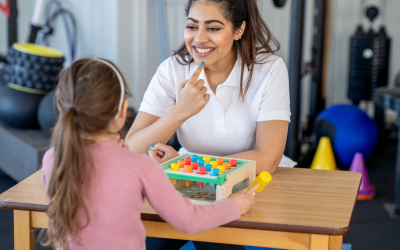
Children often practice skills across several different environments throughout their day. A child receiving Applied Behavior Analysis (ABA) therapy may work on communication, social interaction, independence, emotional regulation, or other individualized goals during therapy, while also encountering opportunities to use those same skills at home and at school.
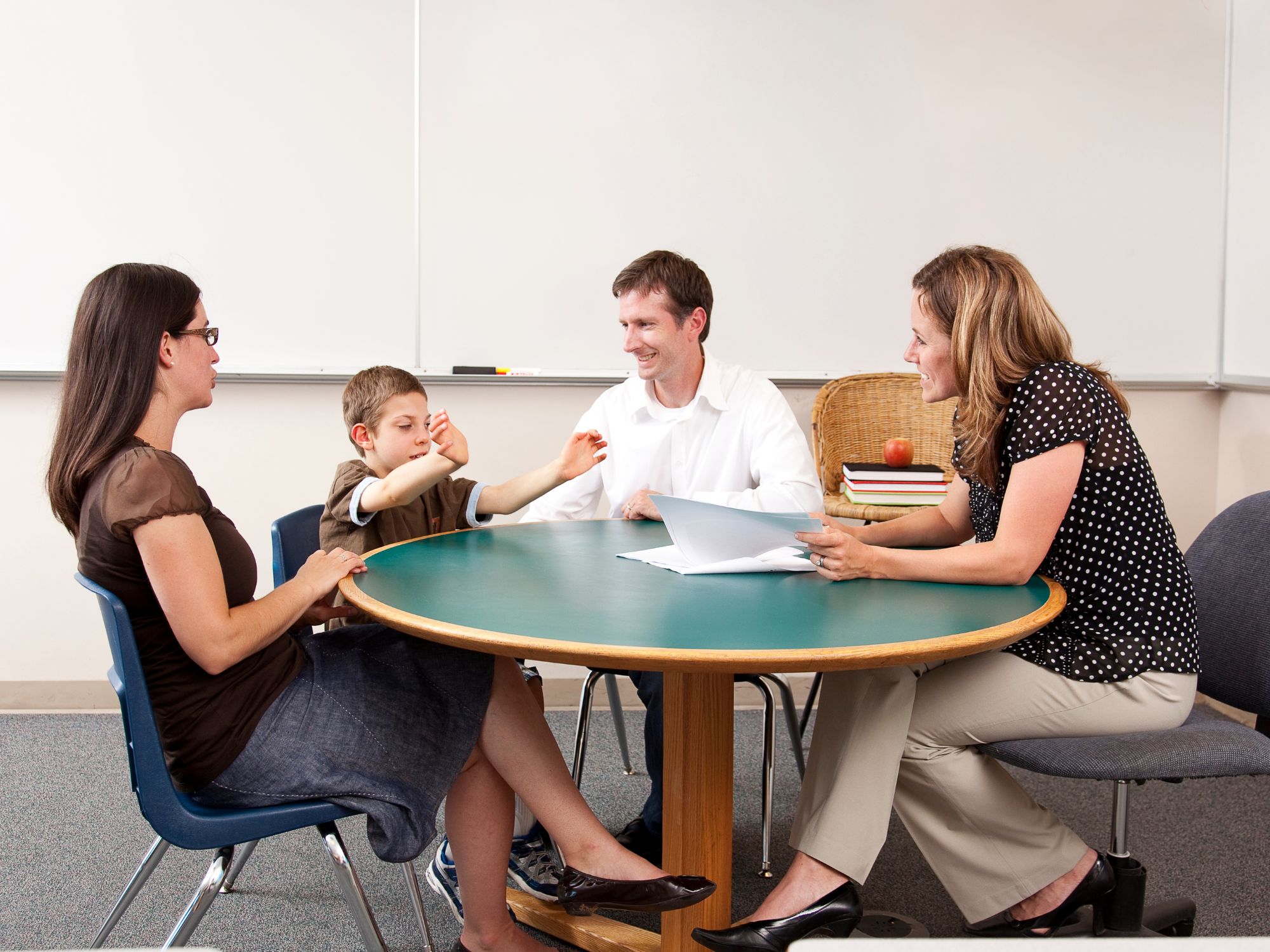
Coordinating support across ABA therapy and school requires consistent communication between parents, teachers, and ABA providers. This can create more opportunities for children to practice their skills in everyday situations. These are a few ways parents and teachers can work together to support a child’s ABA goals across home, school, and therapy.
Keep Communication Open
Parents and teachers each see different parts of a child’s day. A teacher may notice how a child communicates during group activities, follows classroom routines, or interacts with classmates, while parents may see different behaviors during meals, playtime, homework, or transitions at home.
Sharing these observations can provide helpful context about where a child is progressing and where additional support may be useful. When appropriate and with parent consent, an ABA provider can also help the team understand current goals and strategies being used in therapy. This communication can be especially helpful when coordinating support across ABA therapy and school settings.
Use Consistent Strategies
Consistency can make it easier for a child to understand what is expected across different settings. This does not mean home, school, and therapy need to look the same. Instead, parents and teachers can discuss whether certain prompts, visual supports, reinforcement strategies, or communication methods can be used similarly.
For example, if a child is learning to request a break, adults may use the same words, visual cue, or communication system to encourage that skill at home and at school.
Look for Everyday Opportunities to Practice
Children can practice the skills they are working on in ABA therapy throughout their daily routines. Parents and teachers can help create natural opportunities for practice throughout the day.
A child working on taking turns might practice during a classroom game and while playing with siblings. A child developing independence might practice putting away school supplies in the classroom and cleaning up toys at home. These everyday experiences give children opportunities to practice developing skills with different people and in different environments.
Share Developments and Challenges
Collaboration should include both what is working and what remains difficult. If a strategy is particularly helpful at school, sharing it with parents may provide another option to try at home. Likewise, information from parents can help teachers and providers better understand changes in routines, preferences, or behaviors.
Supporting ABA goals is a team effort. At Steps to Progress, we understand the importance of communication between families, teachers, and ABA professionals. By working together across ABA therapy and school settings, we can help children practice and reinforce developing skills throughout their everyday routines.
At Steps to Progress, our team is here to support your child as they build skills and confidence in ways that are meaningful to them, both at home and at school.
If you’re looking for additional guidance, contact us to learn more about how our team can support your child’s individual goals and work alongside your family and school team.