Developing independence involves helping children with autism build the skills needed to navigate daily routines, make decisions, and respond to different situations. While following directions is part of this process, the emphasis should be on developing understanding, confidence, and practical abilities rather than simply expecting compliance.
Modern, child-centered ABA therapy emphasizes practical skill development while respecting a child’s communication, preferences, and autonomy.
Independence vs. Compliance
Independence involves developing the ability to make decisions, communicate needs, and complete everyday activities with appropriate assistance. Compliance generally refers to following an instruction or request.
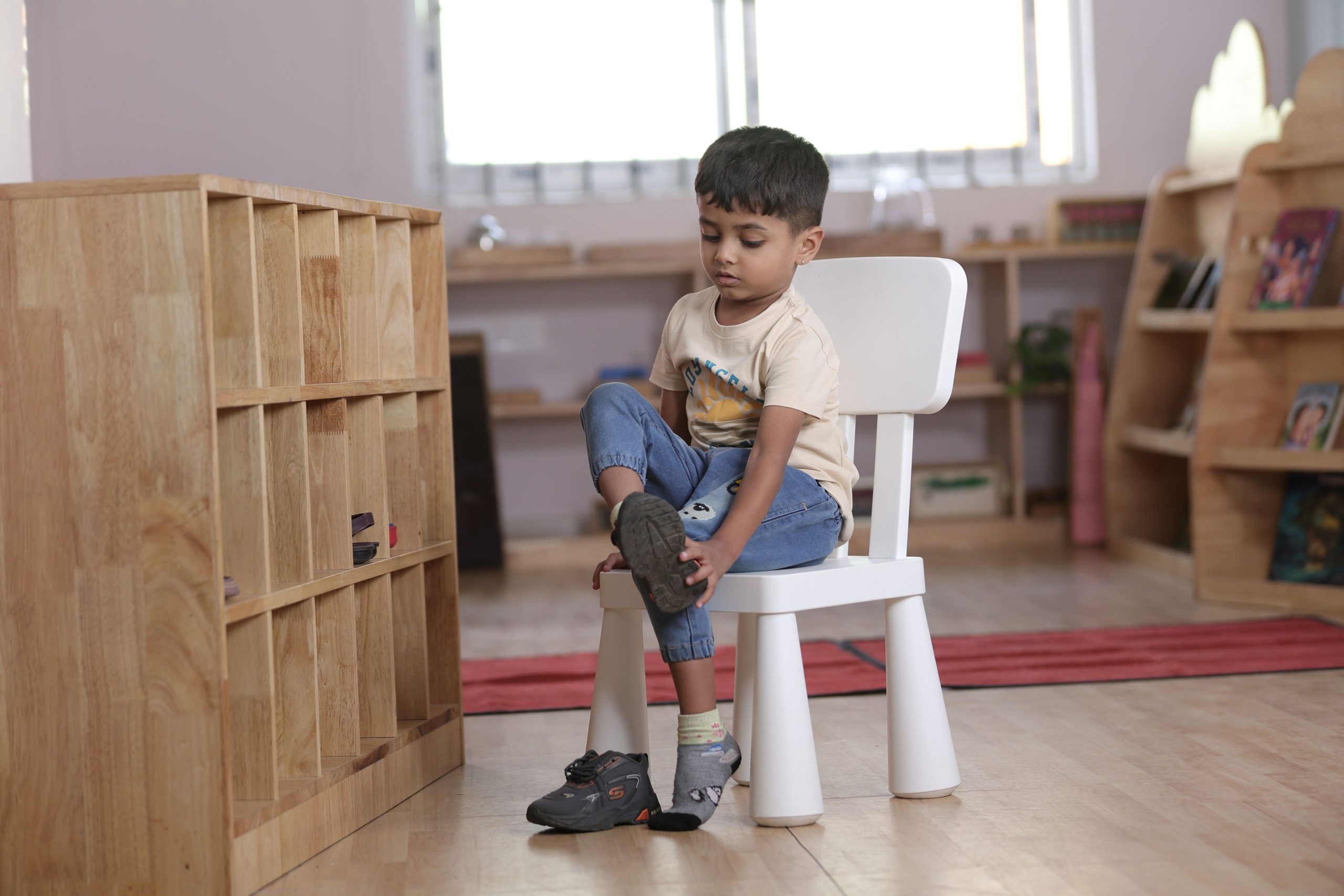
Consider a child learning to put on their shoes. A compliance-focused approach may emphasize whether the child follows the instruction immediately. An independence-focused approach considers whether the child understands the task, can complete the steps, and knows how to request help.
Both approaches may result in the child putting on their shoes, but the skills developed throughout the process differ.
How ABA Therapy Encourages Independence
Child-centered ABA therapy incorporates several strategies that help children develop practical skills while respecting their individual needs.
Encouraging Choice-Making
Allowing children to choose between activities, materials, or the order of tasks creates opportunities to practice decision-making. These choices provide a sense of control while maintaining appropriate expectations.
Teaching Functional Communication
Children benefit from learning to request assistance, express preferences, and communicate discomfort. These skills may be taught through spoken language, gestures, pictures, or augmentative and alternative communication (AAC).
Respecting Assent and Personal Boundaries
Assent refers to a child’s willingness to participate. Recognizing verbal and nonverbal signs of discomfort allows therapists to adjust activities, offer alternatives, and consider the child’s needs throughout treatment.
When Refusal Is Communication
Refusing an activity does not automatically indicate defiance. A child may be experiencing sensory discomfort, difficulty understanding instructions, or frustration with a task.
For example, a child resisting hand washing may dislike the water temperature, soap texture, or sound of running water.
Rather than focusing exclusively on completing the task, therapists can address these barriers while gradually teaching the necessary skills.
Understanding the reason for refusal often creates better opportunities for learning.
Supporting Independence Through ABA Therapy in Houston
Encouraging independence does not mean eliminating boundaries or expectations. Children still benefit from learning safety skills, following appropriate instructions, and participating in daily responsibilities.
The distinction lies in teaching these skills without overlooking the child’s communication or individual needs.
At Steps to Progress, our approach to ABA therapy in Houston emphasizes individualized learning, functional communication, and practical skills that children can apply in everyday situations.
Contact Steps to Progress to learn more about our ABA therapy services in Houston and how individualized treatment can help your child develop greater independence.