Helping your child build communication skills doesn’t have to be limited to ABA therapy sessions. Some of the most impactful learning happens during everyday moments. Everyday routines like breakfast, errands, and bedtime create simple, low-pressure opportunities for your child to practice communication.
Learning Opportunities Within Everyday Routines
Many children with Autism Spectrum Disorder (ASD) feel more comfortable when they know what to expect. Familiar parts of the day like meals, bath time, and playtime naturally lend themselves to communication. Because these routines are predictable, your child may feel more comfortable participating and expressing themselves.
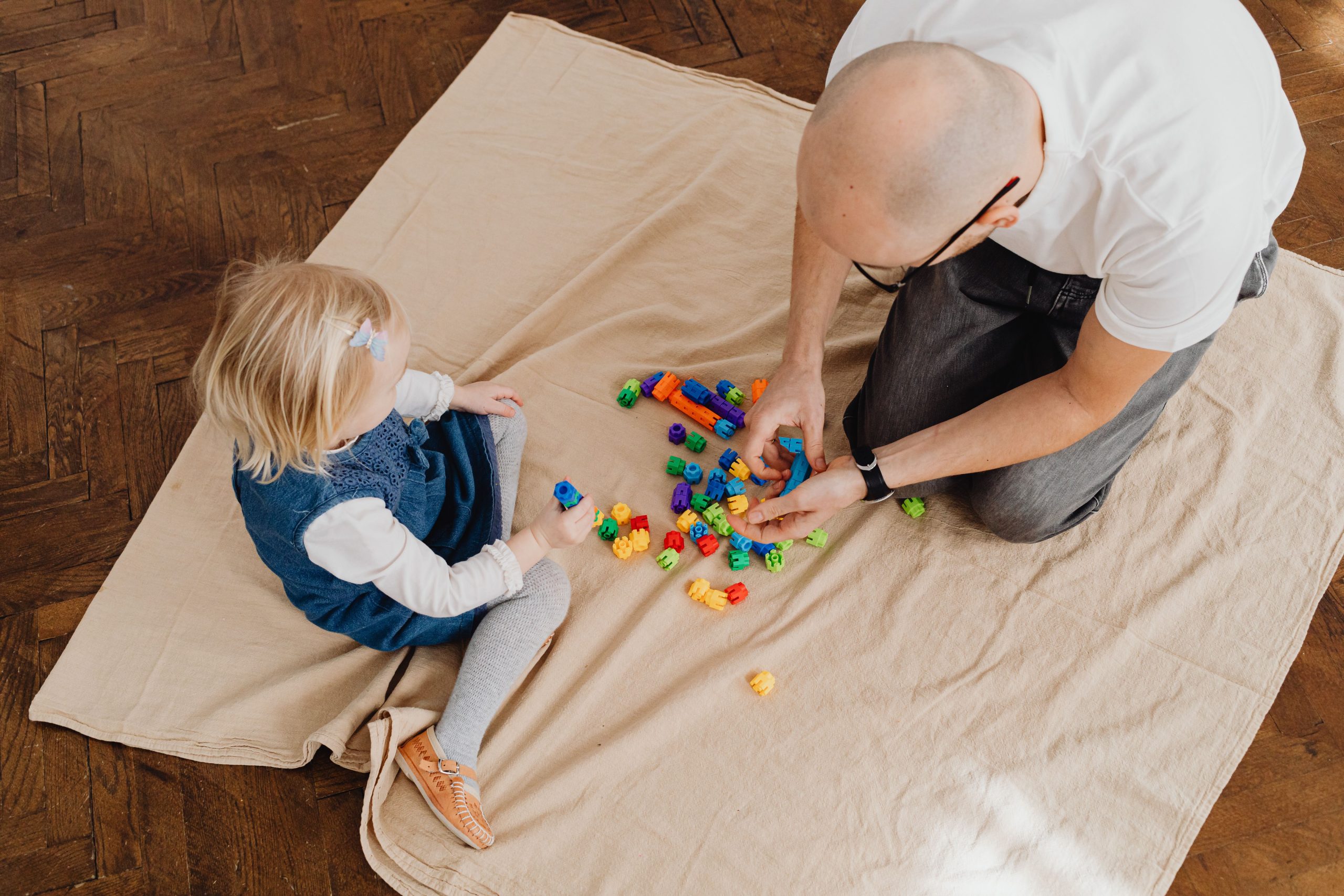
A great way to support communication is by joining your child in activities they already enjoy. If they’re building with blocks, sit down and build with them. If they’re flipping through a favorite book, look at the pictures together and talk about what you see. When communication grows out of activities your child already enjoys, it often feels more natural and less like practice.
It’s also important to remember that children communicate in many ways. Pointing, gestures, eye contact, facial expressions, sign language, and Augmentative and Alternative Communication (AAC) devices can all help your child express their wants, needs, and ideas. Responding to these attempts helps your child feel heard, understood, and encouraged to keep communicating.
Three Simple Strategies to Try
If you’re just getting started, it’s normal to wonder where to begin. Fortunately, encouraging communication doesn’t have to be complicated. You don’t need special materials or elaborate activities. The everyday moments you already share can provide plenty of opportunities to practice.
- Talk about what you’re doing. As you go through your day, describe what’s happening using short, simple phrases like, “Let’s put on your shoes,” or “I’m pouring your juice.” Hearing language in the moment helps your child connect words with what’s happening around them.
- Pause before jumping in. It can be tempting to answer for your child or anticipate what they need, but giving them a few extra seconds to respond creates space for them to communicate in their own way.
- Offer simple choices. Instead of asking open-ended questions, try giving two options, like, “Would you like an apple or crackers?” Having a clear choice could make it easier for your child to respond and participate in the conversation.
Growing Communication Skills
Every child develops communication skills in their own way and at their own pace. Celebrate every attempt, whether it’s a new word, a gesture, pointing to something they want, or making eye contact.
At Steps to Progress, we know that some of the best learning opportunities happen outside of therapy sessions. The conversations and interactions you share at home can help your child build confidence and feel more comfortable expressing themselves. By making communication part of your everyday routine, you’re creating more opportunities for your child to connect and communicate throughout the day.
If you’re looking for additional guidance, contact us to further discuss how our team can support your child’s communication journey!