Summer break is a great opportunity for children to relax, explore new experiences, and spend quality time with family. It can also be an excellent time to continue reinforcing important skills learned through Applied Behavior Analysis (ABA) therapy. For families helping a child with autism at home, these are a few simple and engaging activity ideas to continue supporting communication, social, and independent living skills during summer break.
Build ABA Skills with These 10 Summer Activities
The following activities are simple, engaging ways to incorporate learning into everyday summer routines. Each one provides opportunities to practice communication, social interaction, motor development, and independence in natural settings.
- Backyard Obstacle Courses
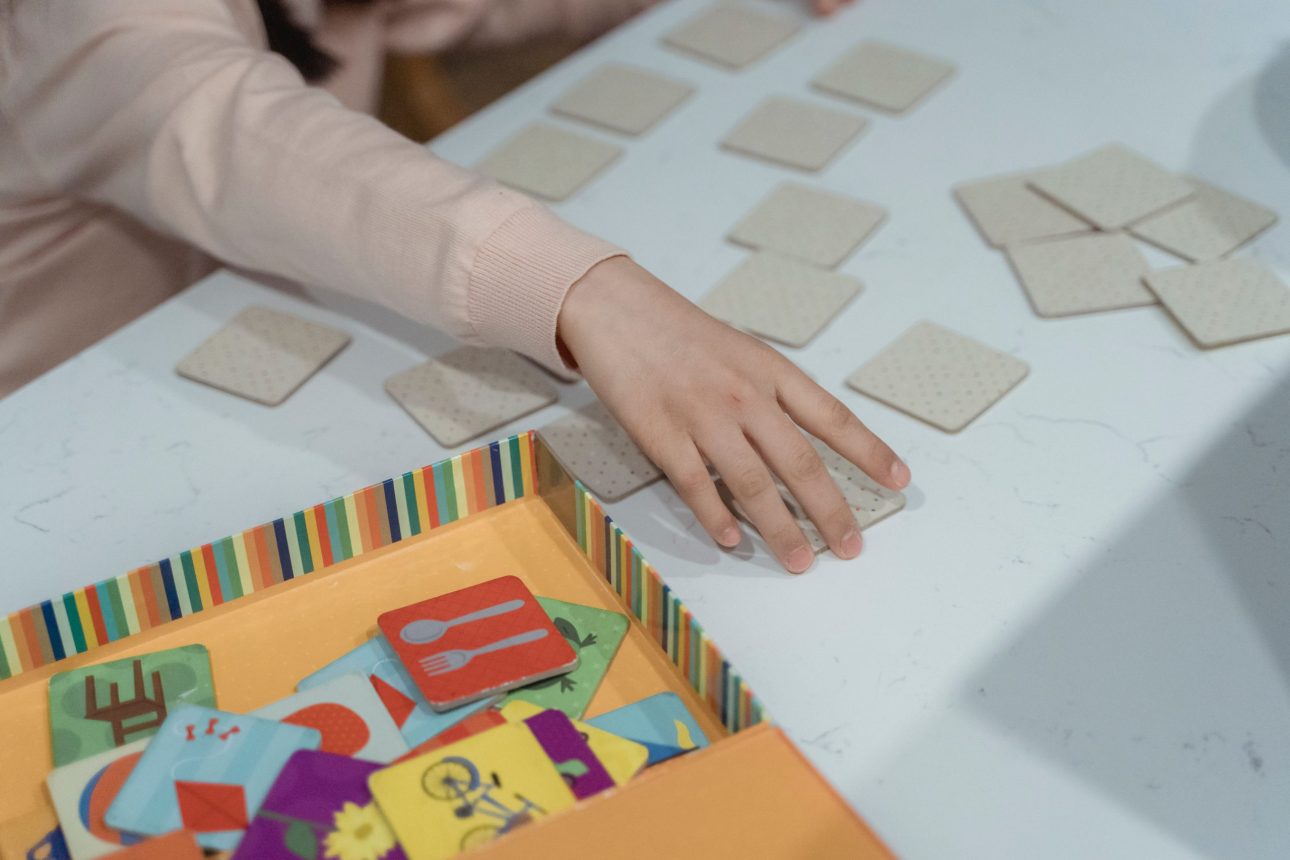
- Family Game Nights
- Cooking Together
- Community Outings
- Water Play Activities
- Reading Together
- Nature Walks and Scavenger Hunts
- Arts and Crafts Projects
- Practicing Daily Living Skills
- Structured Playdates
1. Backyard Obstacle Courses
Create a simple obstacle course using household items like pillows, cones, chairs, or tape on the ground. Children can crawl under a chair, step over pillows, balance on a taped line, and toss a beanbag into a basket. To make it easier, use fewer obstacles and let children walk through the course with help if needed. To make it harder, add more obstacles, including hopping or balancing activities, or time how fast they can finish!
This activity supports ABA therapy by building receptive language skills through following directions, improving gross motor coordination, increasing attention and task completion, promoting waiting and turn-taking, and providing opportunities to reinforce appropriate behaviors.
2. Family Game Nights
Board games and card games provide opportunities to practice turn-taking, communication, listening, and social interaction. Games can also help children practice how to handle winning and losing in socially appropriate ways.
3. Cooking Together
Preparing meals or snacks allows children to practice following instructions, sequencing tasks, requesting items, and developing independence. Measuring ingredients can also reinforce basic math skills. This activity is also a great opportunity for quality time with family, encouraging conversation, teamwork, and shared accomplishments.
4. Community Outings
Trips to the grocery store, library, park, or local attractions provide natural opportunities to practice communication, social skills, and appropriate behavior in public settings.
5. Water Play Activities
Children can practice pouring, scooping, squirting, filling containers, and playing simple games with others. In ABA therapy, water play supports following directions, requesting items or help, taking turns, sharing materials, increasing tolerance to different sensory experiences, improving joint attention, and reinforcing appropriate social interactions and flexible play in a natural setting.
6. Reading Together
Reading books helps build language development, listening skills, and comprehension. Encourage children to answer questions about the story and describe pictures to promote communication.
7. Nature Walks and Scavenger Hunts
Exploring the outdoors through a nature scavenger hunt helps children build observation skills, expand their vocabulary, and practice following directions as they search for items like leaves, flowers, rocks, birds, or insects. Families can create a simple list or use pictures of objects for children to find and talk about together. Nature walks also provide a sensory-friendly environment, offering calming sights, sounds, and textures that can help children regulate while exploring at their own pace.
8. Arts and Crafts Projects
Craft activities help develop fine motor skills, creativity, and task completion. They also provide opportunities for requesting materials, making choices, and following multi-step instructions.
9. Practicing Daily Living Skills
Summer is a great time to focus on building independence through everyday routines. Simple tasks such as making a bed, organizing toys, setting the table, helping with laundry, watering plants, or feeding a pet can reinforce valuable life skills while giving children a sense of responsibility and accomplishment.
10. Structured Playdates
Playdates provide valuable opportunities for children to practice sharing, taking turns, starting and maintaining conversations, cooperating with peers, and solving social problems in a supportive, natural environment.
Continue Reinforcing ABA Goals All Summer Long
Reinforcing ABA goals doesn’t have to feel like therapy. Many everyday summer activities naturally create opportunities for learning and skill development. Whether you’re continuing skills learned during Applied Behavior Analysis sessions or helping a child with autism at home, incorporating structured yet enjoyable experiences into your daily routine can help children maintain what they’ve learned, build confidence, and continue developing important life skills throughout the summer.
Every child deserves the opportunity to grow and thrive. Contact us today to learn more about our ABA therapy services and how our team can support your child and family throughout every season.